


Antarctica Cruises: Expedition Landings vs. Scenic Cruising


From purpose-built expedition ships that carry travelers ashore to traditional cruise ships that sail past Antarctica’s dramatic coastline, here is how to choose the journey that fits you.
Antarctica has a way of moving from “maybe someday” to “I need to see this” once travelers begin imagining enormous blue icebergs, penguin colonies and landscapes found nowhere else on Earth.
But deciding to visit Antarctica is only the beginning. The way you choose to experience it can completely change the trip.

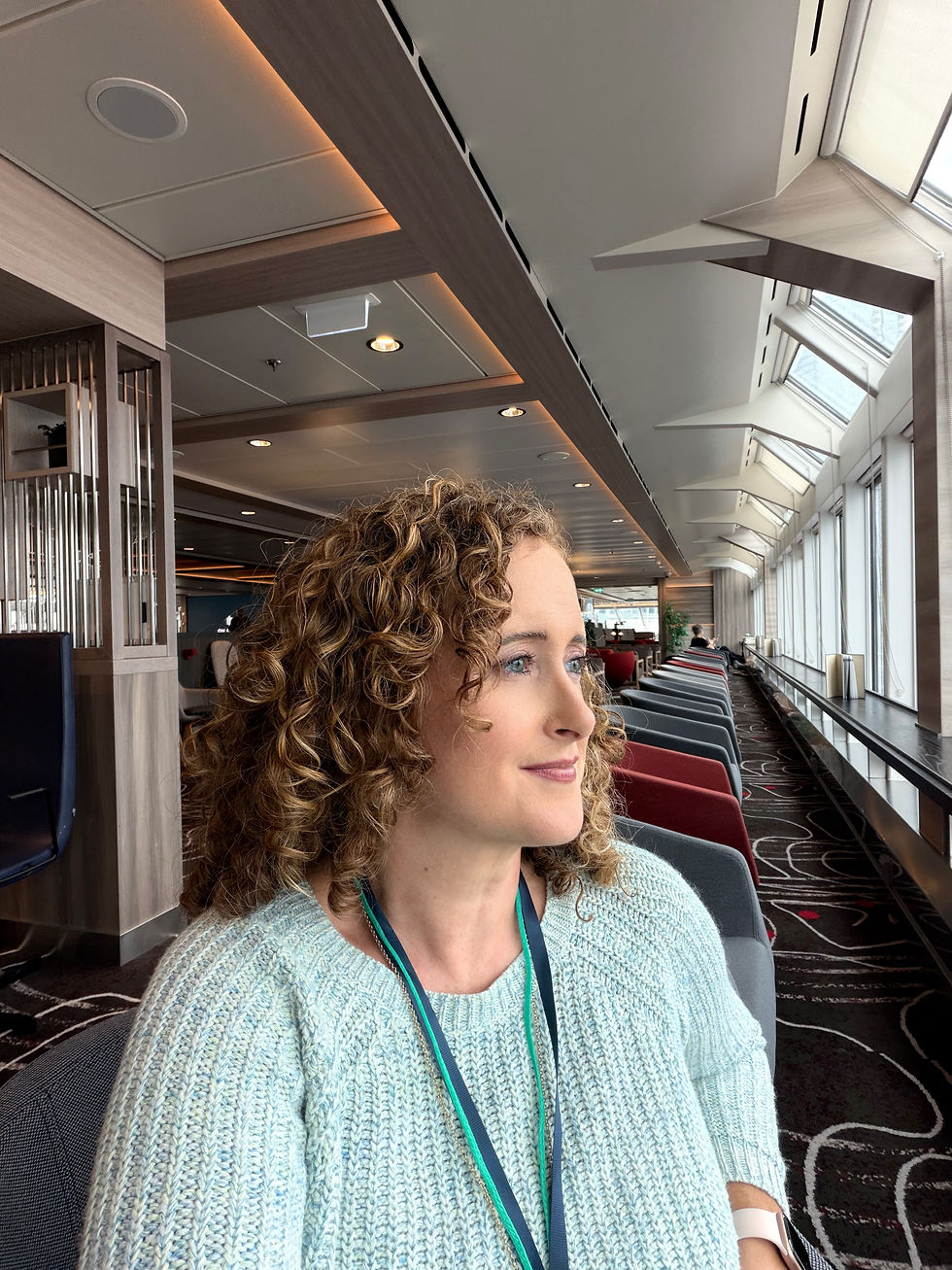
I recently spent much of a day aboard HX Expeditions’ MS Fridtjof Nansen while she was docked in Vancouver. In addition to advisor training and a staff-led tour, I had time to enjoy lunch, explore the ship at a more leisurely pace, examine the expedition gear and learn more about activities such as kayaking and camping in Antarctica.
Standing beside the expedition boats made something very clear: an Antarctica expedition is not simply a conventional cruise that happens to travel somewhere cold. The ship becomes a platform for exploration.
That is not, however, the only way to see Antarctica. Holland America Line, Oceania Cruises and some other traditional cruise lines offer longer South America itineraries that include scenic cruising in Antarctic waters. Guests can see glaciers, icebergs and portions of the coastline from the ship, but they do not step ashore in Antarctica.
So, which experience is right for you? Do you want to admire Antarctica from the comfort of a traditional cruise ship, or is stepping ashore essential to your dream? Would you enjoy a flexible expedition centered on wildlife and exploration, or would you prefer to combine Antarctic scenery with a longer cruise around South America?
There is no single “best” Antarctica cruise. There is a best fit for the way you want to travel.
The Most Important Decision: See Antarctica or Step Into It?
On a scenic Antarctica cruise, guests experience the destination from the ship’s decks and indoor observation areas. The itinerary may include several days in Antarctic waters, but passengers do not board expedition boats for shore landings, walk near penguin colonies or participate in activities such as kayaking and camping.
Scenic cruising can be a wonderful choice for travelers who:
Want Antarctic scenery as part of a longer South America cruise
Prefer the dining, entertainment and amenities of a traditional cruise ship
Have mobility concerns that could make expedition-boat transfers difficult
Want more stateroom categories or a potentially lower starting price
Are interested in seeing Antarctica but do not consider stepping ashore essential

An expedition voyage is designed around active exploration. Subject to weather, ice, wildlife and local regulations, guests may make carefully managed shore landings, cruise among icebergs in small expedition boats, attend presentations by naturalists and scientists, and participate in photography or citizen-science programs. Some voyages also offer kayaking, hiking, snowshoeing, a polar plunge or even camping ashore.
Not every activity is included on every sailing. Limited-capacity experiences may require advance registration, carry an additional charge or be canceled when conditions do not cooperate.
That flexibility is part of expedition travel. You are not booking a rigid list of guaranteed ports. You are choosing a region, a ship and an expedition team equipped to make the best possible decisions once they see what nature allows.
Why Ship Size Matters in Antarctica
Ship size affects much more than the number of restaurants or the size of your cabin.
Antarctic expedition vessels are generally divided into operational categories based on passenger capacity. Traditional expedition ships carrying 200 or fewer passengers can make landings and may offer a more intimate experience. Mid-sized expedition ships carrying 201 to 500 passengers also make landings, but guests rotate among shore visits, small-boat cruising and onboard programming because no more than 100 visitors may be ashore at one landing site at a time.
Ships carrying more than 500 passengers operate as cruise-only vessels and do not make Antarctic landings.
Smaller is not automatically better. A smaller ship may offer more intimacy and potentially simpler landing rotations. A somewhat larger expedition ship may provide greater stability, more dining choices, larger wellness areas and additional indoor spaces for sea days.
The best choice depends on how you balance time ashore, onboard comfort, activities, luxury, ship atmosphere and price.
My Day Aboard HX Expeditions’ MS Fridtjof Nansen
HX offers a comfortable, science-forward expedition experience with a casual Scandinavian atmosphere. Its expedition heritage dates to 1896, giving the company 130 years of experience traveling through some of the world’s most remote regions in 2026.
MS Fridtjof Nansen is a purpose-built hybrid expedition ship near the larger end of the landing-capable category. Its size and stabilizers may contribute to a more comfortable ride than some much smaller vessels, which can matter to travelers concerned about the Drake Passage. No ship, however, can guarantee a calm crossing. Weather, wave direction and an individual traveler’s sensitivity to motion all influence the experience.
The food aboard Fridtjof Nansen was a genuine highlight of my visit. I was impressed by the variety, quality and presentation. An expedition does not have to mean sacrificing excellent meals or returning from a landing to uninspired food.
The interior design also deserves more attention than it receives in photographs. The modern Scandinavian aesthetic did not feel stark or impersonal. Thoughtful details, comfortable seating and expansive windows create spaces that encourage guests to observe the landscape, talk with fellow travelers or quietly process everything they have seen that day.
The Science Center was especially compelling. I am naturally drawn more to history and culture than to formal science, yet I could easily imagine spending considerable time there. It makes polar research approachable, even for guests who would never ordinarily call themselves science enthusiasts. Rather than feeling like a classroom passengers are expected to attend, it feels like a place that invites curiosity.

I also examined the gear and learned more about experiences such as kayaking and camping ashore. Seeing the equipment in person helped me understand both the excitement and the practical preparation involved in an Antarctica expedition.
HX can be an excellent fit for travelers who want a serious, educational expedition without giving up comfortable accommodations, attractive public spaces, strong dining and wellness facilities. On Antarctica voyages, guests receive an HX expedition jacket to keep, while specialized equipment such as rubber boots is generally loaned for use during the voyage. The jacket is an outer layer, so travelers still need appropriate insulation underneath it.
Comparing Antarctica Expedition Cruise Lines
I work with several expedition cruise lines. They may visit the same extraordinary region, but they do not deliver interchangeable experiences.
HX Expeditions
HX combines exploration, science and a relaxed Scandinavian atmosphere. It may suit travelers who appreciate education and active discovery but also want a comfortable ship, excellent food and appealing spaces, spa and fitness center in which to enjoy sea days.
National Geographic-Lindblad Expeditions
National Geographic is the name many travelers recognize, but Lindblad’s Antarctic history is significant in its own right. Lars-Eric Lindblad led the first group of citizen explorers to Antarctica in 1966, helping pioneer modern expedition travel for people who were neither scientists nor professional explorers.
These voyages place a strong emphasis on natural history, photography, education and storytelling. They can be especially appealing to travelers who want to learn from experienced naturalists, researchers and photographers—not merely observe the destination.
PONANT
PONANT combines expedition exploration with French luxury, refined service and relatively intimate ships. It may suit travelers who want to participate in landings and expedition activities while placing a high value on cuisine, design and an elegant onboard atmosphere.
Viking Expeditions
Viking’s expedition ships offer spacious Scandinavian design, substantial educational programming and a relatively inclusive experience. The line can provide an approachable bridge for travelers who already enjoy premium ocean or river cruising and want to enter expedition travel through a familiar style of service.
Silversea Expeditions
Silversea brings its ultra-luxury service style into expedition cruising. Travelers can expect suite accommodations, elevated dining and highly personalized service alongside expedition-boat cruising, shore landings and expert-led exploration.
Silversea also offers select fly-cruise options that allow guests to fly over the Drake Passage in one or both directions. These can reduce the time spent at sea, although flights in Antarctica remain dependent on weather.
Seabourn Expeditions
Seabourn’s purpose-built expedition ships combine a yacht-like atmosphere with extensive expedition capabilities. The line is a strong candidate for travelers who want immersive exploration without relinquishing spacious suites, sophisticated dining and polished service. Depending on the itinerary and conditions, optional experiences may include kayaking or submarine exploration.
What Does an Antarctica Cruise Cost?

Antarctica is a major trip, and comparing prices can be confusing because inclusions vary considerably. One fare might include charter flights, a pre-cruise hotel, transfers, beverages, gratuities and expedition equipment, while another may not.
The following broad planning ranges are per person, based on two people sharing a cabin. They are not live quotes. Departure date, itinerary, cabin category, promotions and included services can change the total substantially.
Cruise style or operator | Broad planning range per person |
Holland America scenic Antarctica voyage | $5,500–$12,000+ |
Oceania scenic Antarctica voyage | $7,500–$16,000+ |
HX Expeditions | $9,000–$20,000+ |
National Geographic-Lindblad Expeditions | $11,000–$25,000+ |
Viking Expeditions | $15,000–$25,000+ |
PONANT | $16,000–$30,000+ |
Silversea Expeditions | $15,000–$35,000+ |
Seabourn Expeditions | $17,000–$35,000+ |
Suites, holiday departures, fly-cruise programs and voyages that include South Georgia can cost considerably more. International flights, insurance, additional hotel nights and pre- or post-cruise experiences must also be included in the complete trip budget.
A lower cruise fare does not automatically produce a less expensive trip. A higher fare may represent better overall value if it includes hotels, charter flights, transfers, gratuities, beverages and expedition gear that would otherwise be added separately.
Scenic Antarctica With Holland America Line or Oceania Cruises
Travelers who are intrigued by Antarctica but uncertain about an expedition have appealing alternatives aboard traditional cruise ships.
Holland America Line’s 22-day South America and Antarctica itinerary aboard Oosterdam, for example, includes four days of Antarctic scenic cruising along with a substantial journey around the southern edge of South America. Depending on the departure, the voyage may include Antarctic areas such as the Palmer Archipelago, Danco Coast and Antarctic Sound, along with destinations and waterways associated with Cape Horn, Tierra del Fuego, the Strait of Magellan and the Chilean fjords.
Holland America offers the familiar features of a traditional cruise ship: multiple restaurants, entertainment, lounges, organized activities, a spa and numerous stateroom categories. It is a strong possibility for travelers who want a grand South America voyage with an Antarctic component, prefer broader onboard entertainment or do not need to step ashore.
Oceania Cruises offers a quieter, more intimate version of scenic cruising. A 21-day Insignia itinerary between Buenos Aires and Valparaíso includes three days of Antarctic Peninsula scenic cruising before continuing through destinations such as Ushuaia, Punta Arenas, the Chilean fjords and Laguna San Rafael.
Oceania’s principal distinction is its onboard style: smaller-ship surroundings, personalized service and a particularly strong culinary focus. It may appeal to travelers who want Antarctica and Patagonia within an upscale cruise experience but do not need kayaking, camping or shore landings.
Neither option is a substitute for an expedition if your dream is to stand on Antarctic ground. They are different journeys for travelers with different priorities.
Crossing the Drake Passage or Flying Over It
The Drake Passage separates South America from the Antarctic Peninsula and has a legendary reputation. The crossing usually requires approximately two days in each direction. Calm conditions produce the so-called “Drake Lake,” while rougher seas earn the “Drake Shake” nickname.
Many travelers consider the crossing part of the adventure. It builds anticipation and gives the expedition team time for briefings, lectures and wildlife observation. Others would prefer not to devote roughly four days to open-ocean sailing.
Fly-cruise itineraries use charter flights between southern Chile and King George Island in the South Shetland Islands, allowing guests to meet their expedition ship closer to Antarctica. Flying is faster, but it is not immune to disruption. Antarctic air operations depend on weather and visibility, so schedule flexibility remains important.
Your available time, motion sensitivity, budget and attitude toward the crossing should all influence this decision.
When Should You Visit Antarctica?

The principal travel season runs from November through March, during the Southern Hemisphere’s spring and summer. Each portion of the season has its own character.
Early-season travelers may encounter fresh snow, dramatic ice formations and courtship or nesting activity among penguins. Sea ice can limit access to some locations, but the landscapes can feel especially pristine.
Around the middle of the season, daylight is exceptionally long and penguin colonies are busy. Chicks begin hatching at different times according to species and location. This period is popular, particularly around Christmas and New Year’s.
Later in the season, growing penguin chicks become highly active, whale sightings may increase and receding ice can sometimes improve access farther south.
There is no month when every wildlife encounter is guaranteed. The right timing depends on which animals, landscapes and activities matter most to you.
Mobility and Physical Requirements
You do not have to be an athlete to enjoy many Antarctica expeditions, but you should evaluate your mobility and balance honestly.
Depending on the voyage, you may need to wear heavy boots and waterproof clothing, step into a moving expedition boat, sit along its side, transfer onto a beach or rocky surface, and walk over snow, mud, loose stones or uneven ground. Expedition teams assist guests, but they cannot remove every physical demand.
Some travelers with limited mobility can still enjoy small-boat cruising and onboard observation even if they skip certain landings. Others may be better served by scenic cruising aboard a larger ship. This is a conversation worth having before paying a deposit—not after arriving at the embarkation port.
Gear, Insurance and Remote-Travel Preparation

Antarctica packing is primarily about layering: a moisture-wicking base, an insulating middle layer and windproof, waterproof protection on the outside. Cruise-line gear policies vary, so I help clients determine what is provided, what is loaned and what they truly need to purchase.
Insurance also deserves careful attention. Antarctica is remote, the trip represents a substantial financial investment, and some operators require medical forms or minimum coverage. A suitable policy may need to address trip cancellation or interruption, emergency medical care, evacuation and planned adventure activities. An ordinary domestic health plan or basic credit-card benefit may not be sufficient.
Planning the South America Portion of Your Journey
For most North American travelers, the expedition begins long before the first iceberg appears.
Depending on the operator and itinerary, the logistics may involve Buenos Aires, Santiago, Punta Arenas, Puerto Williams or Ushuaia, as well as international flights, domestic or charter flights, transfers, luggage restrictions and mandatory hotel nights.
I recommend arriving earlier than the bare minimum. A delayed international flight should not be allowed to jeopardize a five-figure expedition.

The route also creates an opportunity to make the journey even more meaningful. Depending on your schedule, we might add time in Buenos Aires, Iguazú Falls, Patagonia, Torres del Paine, Chilean wine country, Santiago, Valparaíso, Uruguay or Tierra del Fuego.
My experience planning travel throughout South America is especially valuable here. I can connect the cruise, flights, hotels, transfers and extensions into one coherent itinerary instead of treating the expedition as an isolated booking.
I can also evaluate whether it makes sense to pay cash for flights, use airline miles or transfer credit-card points. Award availability to South America can require substantial advance planning, particularly when business-class comfort is part of the goal.
Which Antarctica Experience Is Right for You?
Antarctica is not a destination I would choose by sorting a list from lowest price to highest.
Ship size affects landing opportunities. The season affects wildlife and ice conditions. The route determines whether you visit only the Antarctic Peninsula or continue to the Antarctic Circle, Falkland Islands or South Georgia. Your physical comfort, preferred level of luxury, feelings about the Drake Passage and interest in activities should all influence the decision.
I work with HX Expeditions, National Geographic-Lindblad Expeditions, PONANT, Viking Expeditions, Silversea Expeditions and Seabourn Expeditions, as well as traditional cruise lines offering select scenic Antarctica itineraries.
I can help you compare the ships and itineraries, understand what is included, plan the South America portion of your journey, arrange pre- and post-cruise accommodations, and develop a flight strategy using cash, airline miles or transferable credit-card points.
If Antarctica is on your travel list, contact Forward Points + Travel with:
Your approximate travel year
The number of travelers
Your preferred trip length
Your approximate per-person budget
Whether stepping ashore is essential
Whether you would cross or prefer to fly over the Drake Passage
Any South American destinations you would like to add
From there, we can begin narrowing a continent of possibilities into the Antarctica journey that fits you.


Comments